

There’s nothing more frustrating than lighting a beautiful candle, enjoying the fragrance, and then watching smoke rise from the wick after you blow it out. The good news? You’re not alone. This is known as aftersmoke, and it’s one of the most common candle issues — but it’s also one of the easiest to fix.
What Is Aftersmoke?
Aftersmoke is the smoke or burnt smell that lingers after a candle flame has been extinguished. A small amount of smoke is normal, but too much can affect the overall candle experience, especially if you’re making candles for customers.
A clean finish matters. It helps your candle look more polished, smell better, and feel more premium from the first burn to the last.
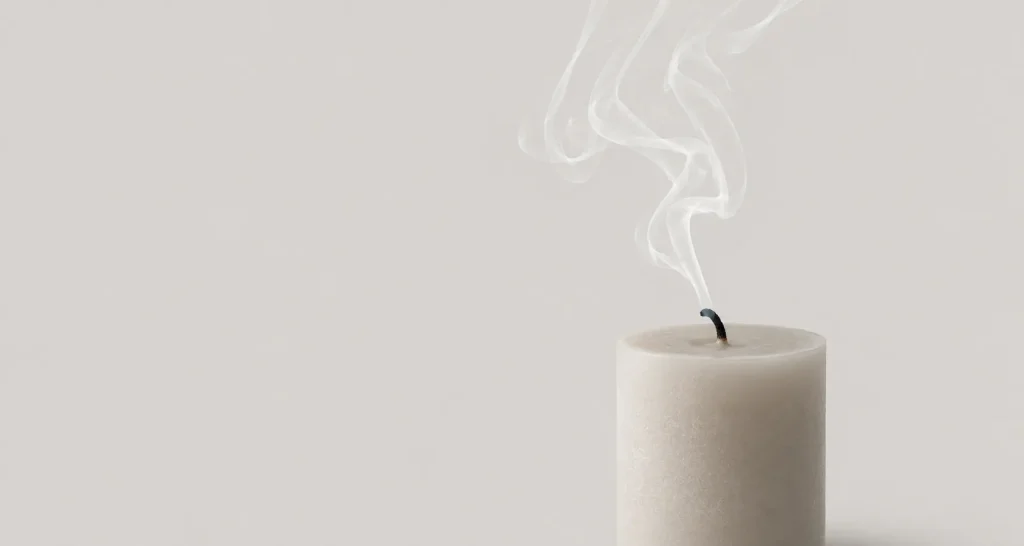
Why Does Aftersmoke Happen?
There are a few common reasons your candle may smoke after being blown out.
1. The Wick Is Too Long
If your wick is too long, it can hold excess wax and create more smoke when the flame is extinguished.
How to fix it: Trim the wick to about 1/4 inch before each burn. This helps create a cleaner, steadier flame and reduces smoke.
2. The Wick Isn’t the Right Fit
The wrong wick can cause uneven burning, too much heat, or excess smoke. Wick size and material both matter, especially when working with different wax blends and container sizes.
How to fix it: Test different wick types and sizes to find the best match for your wax, fragrance, and jar. Cotton, paper-core, and wooden wicks can all perform differently depending on the formula.
3. Too Much Fragrance Oil
Using too much fragrance oil can make it harder for the candle to burn cleanly. This can lead to smoke, soot, or a burnt smell after the flame is blown out.
How to fix it: Follow your wax supplier’s recommended fragrance load. For many waxes, this is usually around 6–10%, but always check the guidance for your specific wax.
4. Wax Type, Colors, or Additives
Some waxes, colorants, and additives can affect how cleanly a candle burns. Overheating wax during production can also impact performance.
How to fix it: Melt your wax slowly and keep it within the recommended temperature range. Avoid overheating, and test any dyes or additives before using them in a full batch.
How to Prevent Aftersmoke:
Trim the wick to 1/4 inch before every burn.
Use a candle snuffer instead of blowing out the flame.
Keep fragrance oil within the recommended usage rate.
Allow candles to cure properly before burning.
Test every new wax, wick, fragrance, or jar combination before selling.
For soy, coconut soy, or other natural wax blends, a cure time of 1–2 weeks is often recommended for the best performance.
Presentation Matters
Even a well-made candle can feel less premium if it leaves behind a smoky finish. Adding candle care tools, such as wick trimmers or candle snuffers, can help your customers get the best experience from every burn.
These small details can also elevate your product line and make your brand feel more thoughtful, polished, and professional.
Final Thoughts
Aftersmoke may seem like a small issue, but it can make a big difference in the customer experience. With a few simple adjustments, like trimming the wick, testing the right wick size, managing fragrance load, and using proper extinguishing tools, you can create cleaner burns, longer-lasting candles, and a better overall candle experience.

